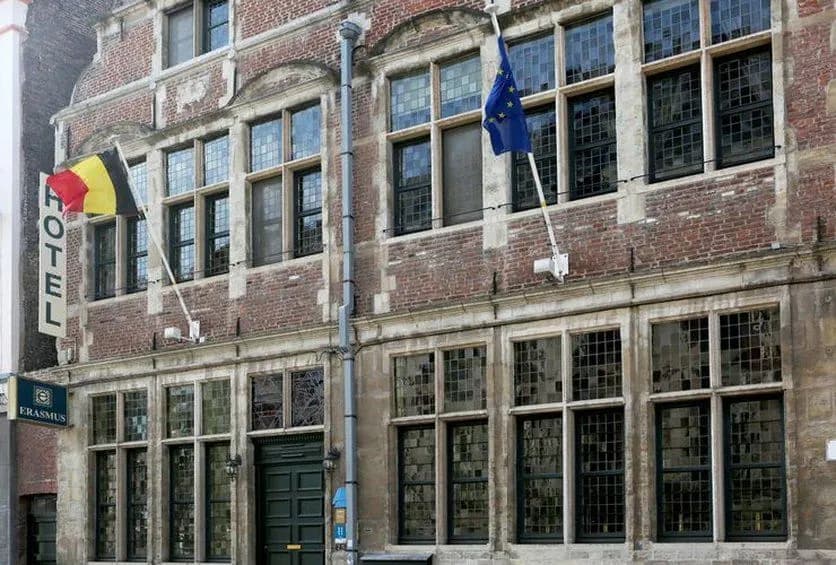
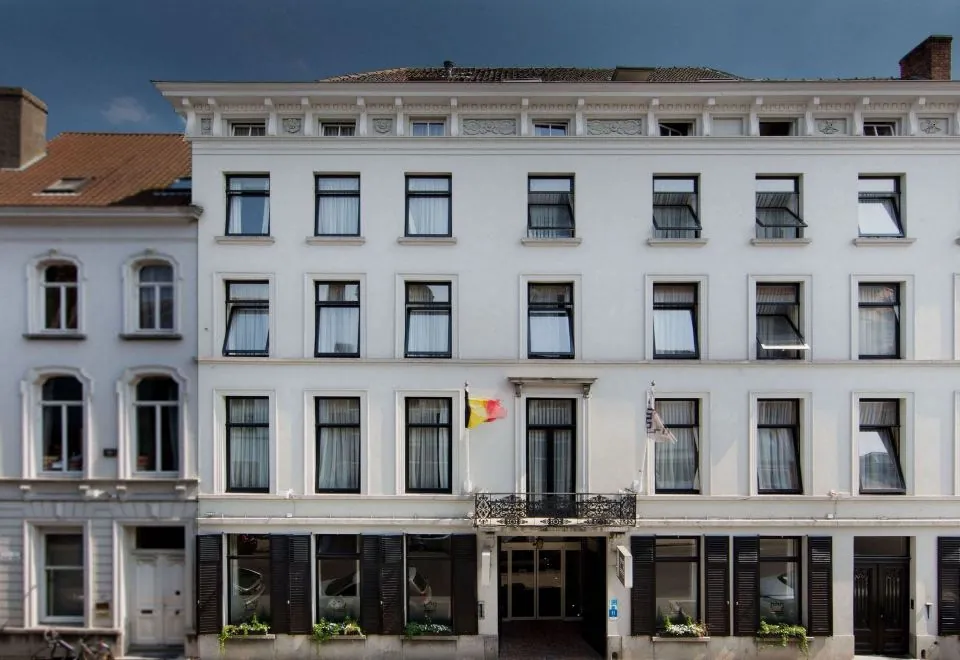
Pillows Grand Boutique Hotel Reylof Ghent
At a glance: 4-star · Since 2011 · 156 rooms
Near: St Michael's Bridge · 5 min walk
The best time to visit Ghent is from May to September, when temperatures are mild and pleasant, with June and August being the warmest and driest months. May and June offer comfortable weather with fewer rain days, while July and August can be slightly rainier but still enjoyable. The rainiest stretch is October through December, with high humidity and frequent showers. If you prefer drier conditions, aim for late spring or early autumn, though the city is lively year-round.
Stay in the historic city center, around the Graslei and Korenlei, for easy access to the Castle of the Counts and St Bavo's Cathedral. The Patershol district, just north of the center, suits those wanting a quieter, cobbled neighborhood with local eateries. The area near Sint-Pietersstation is convenient for train travelers, though it is more residential. Hotels like 1898 the Post and Ghent Marriott Hotel are in the center, while B&B de Waterzooi sits by the castle.
Start at the Castle of the Counts, a medieval fortress right on the river. St Bavo's Cathedral holds the famous Ghent Altarpiece. Climb the Belfry of Gent for a view over the old town. St Michael's Bridge gives the classic postcard view of the three towers. For a contrast, wander the Graffiti street, a lane of street art.
Full-day tours from Ghent head to Bruges, with its canals and medieval center, and Brussels, for the Grand Place and Atomium. Antwerp is another option, known for its cathedral and fashion district. These trips take a full day each, so plan accordingly.
Plan 2 to 3 days in Ghent. In two days, you can see the Castle of the Counts, St Bavo's Cathedral, the Belfry, and St Michael's Bridge, plus wander the old center. With a third day, add the Museum voor Schone Kunsten and STAM, or take a day trip, which would need an extra day on top of that.